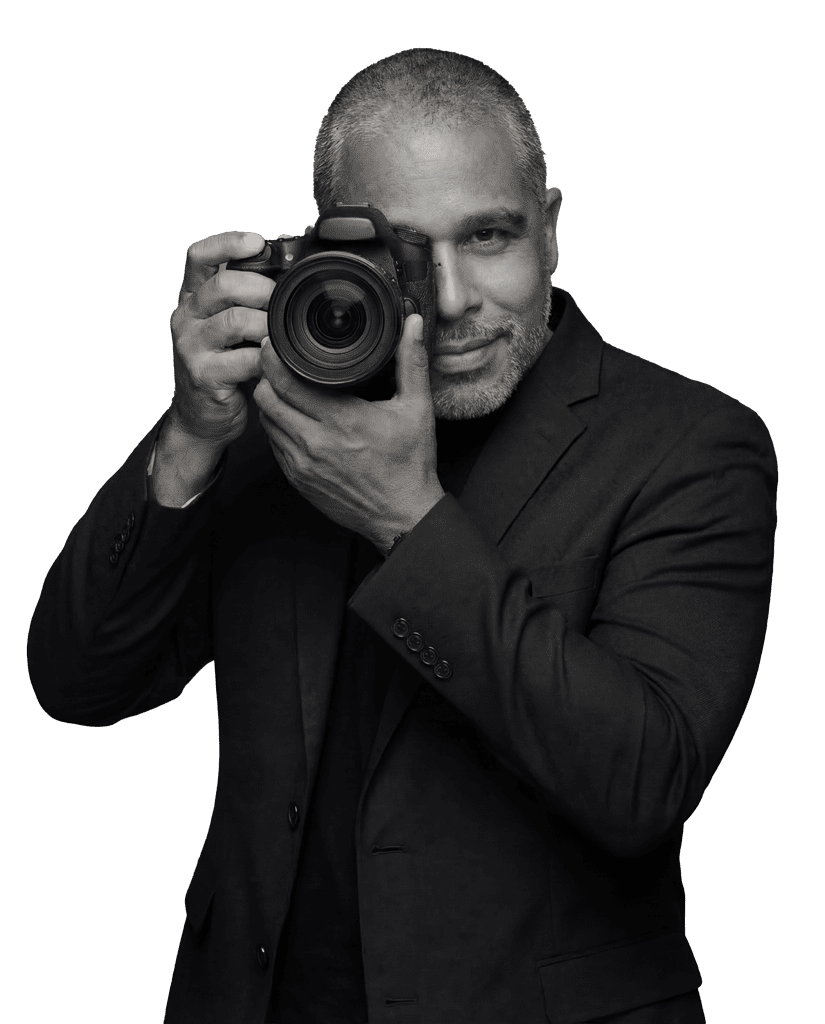

Your corporate headshot is often the first impression you make on a potential client, recruiter, or colleague. A photo that looks dated, stiff, or poorly lit can quietly undermine how people perceive your professionalism before you ever speak. The good news is that strong corporate headshot ideas are not complicated. They follow clear principles around posing, lighting, style, and expression that any professional can understand and apply.
This guide breaks down the poses, styles, and practical tips that make modern corporate photos stand out. Whether you are updating your LinkedIn profile, refreshing your company website, or preparing for a team shoot, these ideas will help you show up with confidence and clarity.
Ready to learn more? Visit our professional headshots photography page to see how Capture It Studios helps executives and teams look their best on camera.
What Makes a Corporate Headshot Look Current
A dated headshot usually has one or more obvious problems: a stiff pose, a plain gray background, an awkward smile, or clothing that belongs in a different decade. Modern corporate photos feel natural, confident, and human. They show a real person rather than a performance.
The shift in recent years has moved away from overly formal, frozen poses toward images that feel approachable but still polished. Backgrounds have evolved too, from solid gray to textured walls, soft architectural environments, and even tasteful outdoor settings. The key is that every element, from posture to lighting to expression, should feel intentional without looking forced.
The Most Effective Executive Headshot Poses

Posing is the single biggest variable you control as a subject. Even the best lighting cannot fix a pose that looks rigid or uncomfortable. The following poses consistently produce strong results for executives and professionals at every level.
1. The Slight Turn
Instead of facing the camera straight on, angle your body about 30 to 45 degrees to one side, then turn your head back toward the lens. This creates a natural slimming effect and adds visual dimension. It is the most commonly recommended executive headshot pose for good reason: it works across body types and face shapes.
2. The Confident Lean
Leaning slightly forward from the waist, toward the camera, projects engagement and authority. This pose subtly signals that you are present and interested. Keep your shoulders relaxed and your chin slightly down to avoid looking stiff or confrontational.
3. The Relaxed Stand
Standing upright with your weight shifted to one leg gives a pose that feels grounded without being rigid. Place one hand in a pocket or let both arms hang naturally at your sides. Avoid crossing your arms, as it can read as closed off or defensive in a corporate context.
4. The Seated Professional
Seated poses work especially well for executives and senior leaders. Sitting forward on the edge of a chair with good posture communicates calm authority. This pose also works well for half-body or three-quarter-length shots, giving context and depth to the image.
5. The Environmental Pose
This pose places you in a meaningful setting, such as a conference room, a modern lobby, or an outdoor architectural space. Rather than a static stand, you might be walking, glancing at something off-frame, or standing near a window. Environmental poses add storytelling and feel more current than a plain backdrop shot.
Choosing the Right Style for Your Corporate Headshot
Style in a headshot refers to the visual tone of the overall image. It includes the background, lighting approach, color palette, and framing. Your style should reflect your industry, your role, and the audience you want to reach.
| Style | Best For | Key Features |
|---|---|---|
| Classic Studio | Finance, law, healthcare | Neutral background, clean lighting, formal attire |
| Modern Environmental | Tech, consulting, real estate | Office or architectural backdrop, natural or mixed light |
| Outdoor Natural Light | Creative, marketing, education | Soft, warm tones, relaxed energy, natural setting |
| Dark and Dramatic | C-suite, entertainment, speakers | Dark background, high contrast lighting, bold presence |
| Bright and Airy | Wellness, coaching, startups | Light backgrounds, soft tones, approachable vibe |
If you are unsure what style fits your brand, look at headshots used by leaders in your industry. Notice the backgrounds, the lighting tone, and the level of formality. Your photo should feel right at home alongside those images.
Background Options That Work in Modern Corporate Photos

The background in your headshot does more than fill empty space. It sets the tone, frames your face, and tells the viewer something about your environment and brand. Choosing the wrong background can make an otherwise strong shot feel flat or off-brand.
Solid Neutral Backgrounds
White, gray, and light beige backgrounds remain popular because they are clean, timeless, and easy to use across different platforms. They keep the focus on your face and work well for company directories and LinkedIn. Avoid pure white if your skin tone is very light, as it can create too little contrast.
Textured or Colored Backgrounds
Warm-toned textures, such as brick, concrete, or painted plaster, add visual interest without distracting from the subject. A muted navy, forest green, or deep charcoal backdrop can give your photo a modern, polished feel. These work especially well for personal brands and creative professionals.
Environmental Backgrounds
Shooting in a real space, such as a well-designed office, a lobby with architecture, or a tasteful outdoor location, adds context and authenticity. The background should be slightly blurred so it reads as context rather than clutter. This approach is common in Raleigh-area business headshots for professionals who want a more dynamic look.
What to Wear for a Polished Corporate Headshot
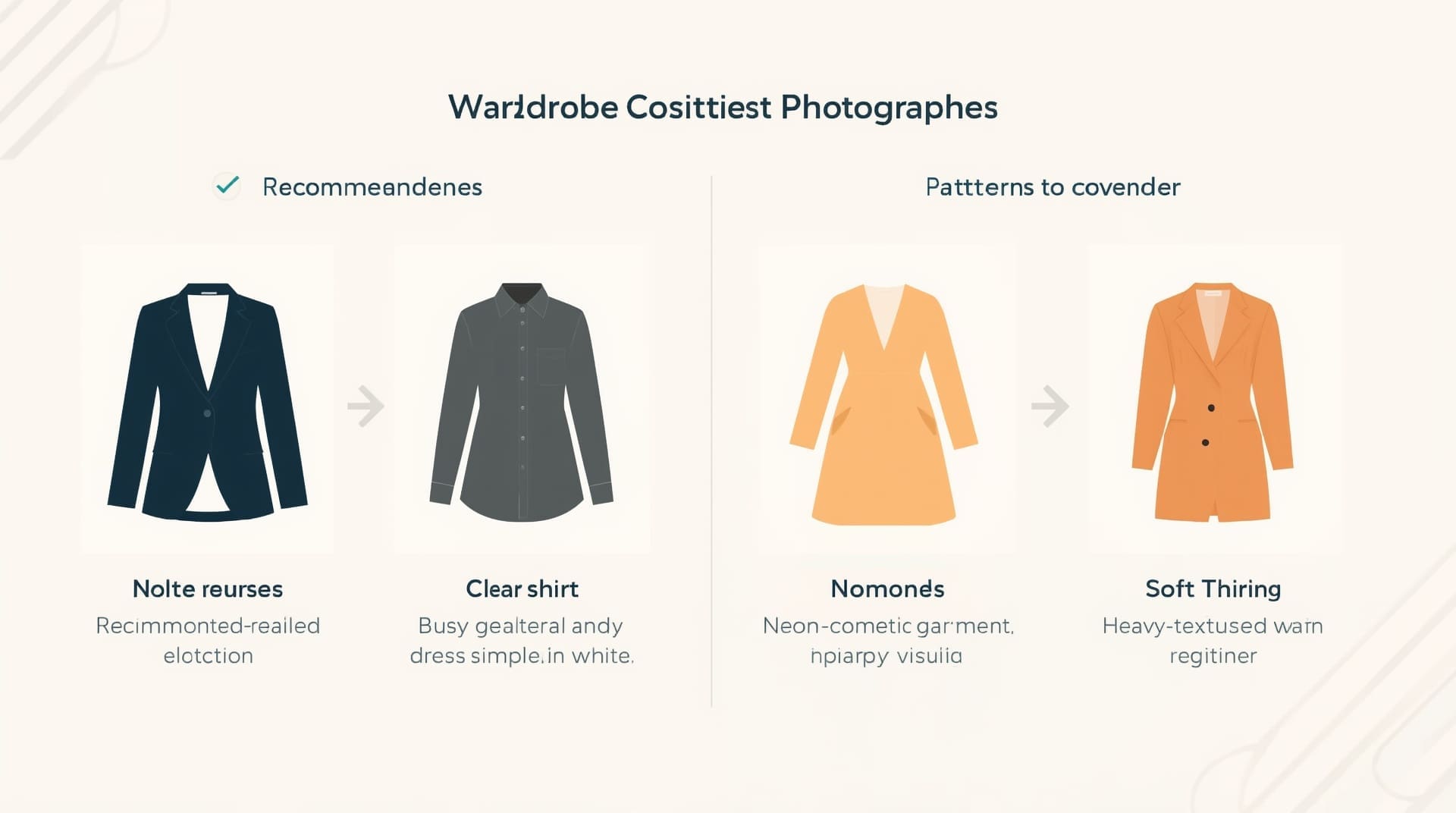
Your clothing communicates your professional identity before anyone reads your title or bio. The wrong outfit can distract from your face, clash with the background, or signal the wrong level of formality for your audience.
- Stick to solid colors or subtle patterns. Bold stripes, large plaids, and loud prints draw attention away from your face.
- Wear your industry-appropriate level of formality. A suit works for finance and law. Business casual works for tech and consulting. Creative fields allow more flexibility.
- Avoid logos and graphic text. Branded clothing or novelty prints look unprofessional and date quickly.
- Choose colors that complement your skin tone. Deep jewel tones, navy, burgundy, and forest green photograph well for most people. Avoid neon or very pale colors.
- Bring options to the shoot. Having two or three outfits gives you flexibility in case something does not photograph as expected.
Lighting Approaches That Flatter and Communicate Authority
Lighting is the element that separates a professional headshot from a phone selfie. Good lighting shapes your face, reduces distracting shadows, and gives the image a polished, finished quality. You do not need to understand the technical details, but knowing the basic styles helps you communicate what you want with your photographer.
Soft Diffused Lighting
This is the most flattering option for most people. A large, soft light source placed at an angle to your face creates even illumination with gentle shadows that add dimension without being harsh. It is the go-to setup for approachable, professional headshots.
Rembrandt Lighting
Named after the painter, this setup creates a small triangle of light on the shadow side of the face. It gives the image a classic, serious quality that suits executive headshot poses well. It works especially well for C-suite leaders who want to project authority and depth.
Natural Window Light
Placing a subject near a large window creates soft, directional light with a natural quality that feels current and warm. This approach is popular for environmental headshots and works well when the location has good natural light. Overcast days are ideal because clouds act as a natural diffuser.
Expression Tips That Make Corporate Headshots Feel Authentic
Your expression is what viewers connect with first. A forced smile or a blank stare can undermine even the best posing and lighting. The goal is to look approachable, confident, and genuine without overdoing it.
- Smile with your eyes, not just your mouth. Think of something that genuinely makes you happy right before the shutter clicks. This creates a natural expression rather than a performed one.
- Relax your jaw and forehead. Tension shows up immediately on camera. Take a breath and soften your face before each shot.
- Vary your expressions during the shoot. Ask your photographer to capture a range, from a confident neutral to a warm smile. This gives you options when selecting the final image.
- Match your expression to your brand. A leadership coach might want a warm, welcoming smile. A litigation attorney might want a serious, focused look. Neither is wrong. Choose what fits your audience.
Common Corporate Headshot Mistakes to Avoid
Even professionals with strong instincts make predictable mistakes when preparing for a headshot session. Avoiding these will save you time, money, and the frustration of a reshoot.
- Using an outdated photo. If your headshot is more than three years old or does not reflect how you currently look, replace it.
- Wearing distracting accessories. Large statement jewelry, busy scarves, or chunky necklaces can pull the viewer’s eye away from your face.
- Ignoring grooming details. Flyaway hair, visible stubble, and wrinkled clothing are magnified by the camera. Take care of these details before arriving at the session.
- Choosing the wrong crop. A headshot should frame your head and shoulders clearly. Cropping too tight or too loose makes the image harder to use across platforms.
- Skipping prep altogether. Arriving without a plan for poses, outfits, or expression goals usually results in a longer session and weaker images.
How to Prepare for Your Corporate Headshot Session
Preparation makes a measurable difference in the quality of your final images. A little planning before the session gives your photographer more to work with and gives you more confidence in front of the camera.
- Research headshot styles you like. Save examples that reflect your industry and the impression you want to make. Share them with your photographer ahead of time.
- Prepare your outfits. Steam or press your clothing the night before. Pack two or three options and let your photographer help you choose on the day.
- Get a full night of sleep. Fatigue shows in the eyes and the skin. Arriving rested makes a visible difference.
- Communicate your goals clearly. Tell your photographer where the photo will be used, who your audience is, and what impression you want to make. This shapes every decision from background to lighting.
Final Thoughts on Corporate Headshot Ideas
The best corporate headshot ideas share a common thread: intention. Every choice you make, from your pose to your outfit to the background behind you, sends a message about who you are and how you work. When those choices are thoughtful and aligned with your professional brand, the result is a photo that builds trust before you say a word.
If you are based in or near Raleigh, working with a photographer who understands both studio technique and the look that today’s business environment calls for makes a real difference. Take the time to prepare, communicate your goals, and trust the process. A polished, current headshot is one of the simplest and most effective professional investments you can make.
Frequently Asked Questions About Corporate Headshot Ideas
What is the best pose for a corporate headshot?
The slight turn is one of the most effective executive headshot poses for most people. It adds dimension, looks natural on camera, and works across industries. Your photographer will guide you through variations to find what suits your face and frame best.
What background should I use for a modern corporate headshot?
Neutral solid backgrounds and textured environmental settings are both strong choices. The right background depends on your industry and brand. Classic sectors like law and finance tend to favor clean, neutral backdrops, while tech and creative industries often use more dynamic environments.
How often should I update my corporate headshot?
A good rule is to update your headshot every two to three years, or sooner if your appearance changes significantly. An outdated photo creates confusion and undermines your professional credibility when people meet you in person.
What should I wear for a corporate headshot?
Choose solid colors or subtle patterns in tones that complement your skin. Avoid logos, bold prints, and distracting accessories. Business formal or business casual attire works best for most industries. Bring a few outfit options to the session so you have flexibility.
Can I use a corporate headshot taken on a phone?
Phone cameras have improved significantly, but they rarely produce results that match professional studio lighting, posing guidance, and post-processing. For LinkedIn, company websites, press materials, and speaking engagements, a professionally produced headshot will always perform better and reflect more favorably on your brand.