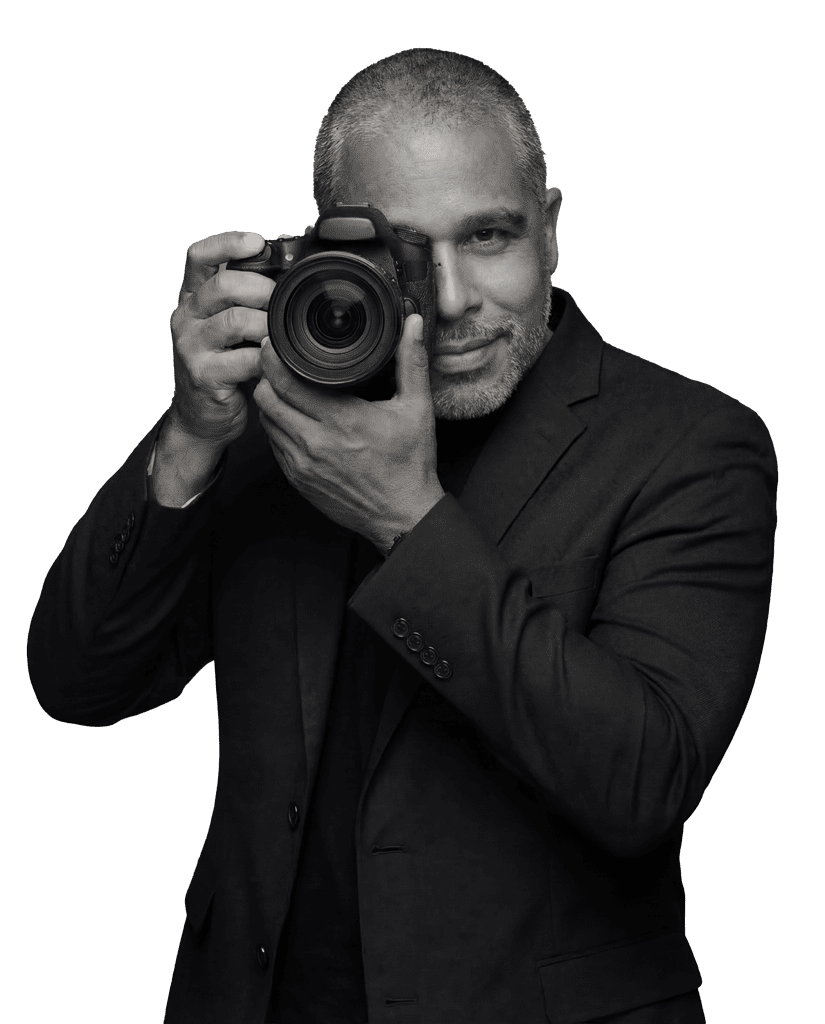

Knowing how to prepare for a headshot session can be the difference between a photo you are proud to share and one you never use. A great headshot does not happen by accident. It takes a little planning before you ever step in front of the camera.
Whether you need a photo for LinkedIn, a company directory, a speaker bio, or a personal brand, the steps are mostly the same. This guide walks you through everything, from what to wear for headshots to how the session itself will run, so you feel confident and ready on shoot day.
Ready to learn more? Explore our professional headshots photography services and see how we can help you put your best face forward.
Understanding What a Headshot Session Actually Involves
A headshot session is a focused portrait shoot designed to capture your face, expression, and professional presence. Most sessions last between 30 minutes and two hours depending on the package you choose and how many outfit changes are included.
Your photographer will direct you through poses, angles, and expressions. You do not need any modeling experience. The photographer’s job is to make the process comfortable and to coach you through every frame. Come with an open mind and be ready to take direction.
Studios like those serving the Raleigh, North Carolina area typically offer both indoor studio setups and outdoor location options. Ask your photographer in advance which setting will work best for your intended use.
Choosing the Right Outfits for Your Headshots

What you wear for headshots shapes the entire tone of the image. Your clothes communicate your industry, personality, and level of professionalism before anyone reads a single word about you.
Plan to bring two to four outfit options. Having choices gives you flexibility during the session and ensures you have a backup if one option does not photograph as expected. Lay everything out the night before so you are not scrambling on the day.
Colors That Photograph Best
Solid, medium-toned colors almost always outperform busy patterns or very bright shades. Navy, charcoal, forest green, burgundy, and soft white are reliable choices. These colors keep the focus on your face rather than your clothing.
- Avoid neon colors, which can cast colored light onto your skin.
- Skip black if your session uses a dark backdrop, since you may blend in.
- Stay away from pure white if your session uses a light background.
- Earth tones and jewel tones both read well in both studio and outdoor settings.
Patterns and Textures to Avoid
Fine stripes, herringbone, and tight plaids create a visual distortion effect called moiré on camera. This looks like a wavy, rippling pattern in your photo. Avoid these entirely. Large, bold prints also pull attention away from your face, which is the subject of the image.
Subtle textures like a simple knit or a soft blazer fabric add visual interest without causing problems. Stick to clean, simple lines.
Fit and Condition of Your Clothing
Clothes that fit well always photograph better than oversized or too-tight options. Steam or iron everything before your session to remove wrinkles. Wrinkles that seem minor in person become very noticeable in high-resolution photos.
Check for lint, pet hair, or loose threads before packing your outfits. Bring a lint roller just in case.
| Item | Good Choice | Avoid |
|---|---|---|
| Colors | Navy, charcoal, burgundy, forest green | Neon, overly bright shades |
| Patterns | Solid fabrics, subtle textures | Fine stripes, tight plaids, large prints |
| Fit | Well-fitted, wrinkle-free | Oversized, tight, or wrinkled |
| Accessories | Simple, understated pieces | Large, reflective, or distracting jewelry |
Grooming and Skincare Preparation Before Your Session
Good grooming is one of the most important headshot tips you can follow. Your skin will be seen at high resolution, so give it some attention in the days leading up to your shoot.
Drink plenty of water in the two to three days before your session. Well-hydrated skin looks more even and healthy in photos. Avoid alcohol the night before, since it can cause puffiness, especially around the eyes.
Hair Preparation
Get a haircut or trim one to two weeks before your session, not the day before. This gives any new cut a chance to settle and look natural. Style your hair the way you normally would for a professional setting, not a dramatically different look you are trying for the first time.
If your hair tends to frizz, bring the products you use to control it. Humidity in Raleigh, North Carolina can be a real factor, especially for outdoor sessions in spring and summer.
Makeup and Grooming Details
For those who wear makeup, aim for a polished but natural look. Heavy contouring and dramatic eye makeup can look overdone in close-up photography. Use a matte setting powder to reduce shine, since skin that reflects light can make you look washed out.
For those who do not typically wear makeup, a light dusting of translucent powder is still worth considering to manage shine under studio lighting. Men in particular often benefit from this small step.
What to Do the Night Before Your Headshot Session
The evening before your shoot is all about setting yourself up for a smooth, stress-free morning. The more you prepare now, the more relaxed you will feel on camera.
- Pack all outfits, accessories, and shoes into a bag so nothing is forgotten.
- Confirm your session time, address, and parking details with the studio.
- Get seven to nine hours of sleep so your eyes look rested and alert.
- Avoid salty foods at dinner, since sodium can cause facial puffiness the next day.
- Charge your phone so you have easy access to any inspiration images you want to share with your photographer.
What to Expect on the Day of Your Headshot Shoot

Arriving prepared is the best thing you can do. Plan to arrive five to ten minutes early. This gives you time to settle in, review your options with your photographer, and get comfortable in the space before the camera comes out.
Your photographer will start with a brief conversation about your goals, how you plan to use the images, and which looks you want to capture. Be honest about what you need. A headshot for a creative freelancer looks different from one for a corporate attorney, and your photographer needs that context to guide the session well.
The Posing and Expression Process
Most people feel awkward in front of a camera at first. That is completely normal. Your photographer will guide you through small adjustments to your posture, chin angle, and shoulder position. These details make a big difference in how confident and approachable you look in the final image.
Practice a few natural smiles in the mirror at home before your session. Think of someone or something that makes you genuinely happy. Genuine expressions always photograph better than forced ones.
Reviewing Images During the Session
Many photographers let you review images on a screen during the session. This is a useful tool, but do not focus too much on every minor flaw. Trust your photographer to guide you toward your best angles. Your job is to stay relaxed and present, not to art direct every frame.
Common Headshot Mistakes to Avoid
Even with the best intentions, a few common missteps can cost you a great photo. Knowing what to avoid is just as useful as knowing what to do.
- Wearing a brand new outfit you have never tried on together. Always test your full look before the day of the shoot.
- Skipping the pre-session consultation. Talk to your photographer beforehand about your goals, backdrop preferences, and intended use.
- Arriving rushed or stressed. Give yourself extra travel time so you arrive calm and ready.
- Wearing too much jewelry. Large or reflective pieces distract from your face. Keep accessories simple and understated.
- Forgetting to communicate your vision. Share reference photos with your photographer so they understand the tone and style you want.
Preparing Mentally for a Confident Session

Mental preparation matters just as much as physical prep. Many people feel self-conscious or anxious before a headshot session, especially if they are not used to being photographed. A little mindset work goes a long way.
Remind yourself that your photographer’s goal is to make you look great. They are not judging you. They are working to capture the best version of you on camera. Trust the process and commit to following their direction during the shoot.
If you have specific concerns about how you photograph, such as preferring one side of your face or wanting to minimize a certain feature, share those concerns before the session starts. A skilled photographer will incorporate that feedback naturally into how they frame and light each shot.
Final Thoughts on How to Prepare for a Headshot Session
Preparing for a headshot session does not require a stylist or a lot of money. It requires a little thoughtfulness about your wardrobe, some attention to grooming, a good night of sleep, and the willingness to show up relaxed and ready to be guided. Those simple steps produce the best results every time.
Whether you are booking your first professional headshot or updating an older image, the preparation process is the foundation of a great outcome. Put in the work before the shoot, and the camera will reflect that effort back to you in every frame.
Frequently Asked Questions About How to Prepare for a Headshot Session
How far in advance should I prepare for a headshot session?
Start preparing at least one week before your session. This gives you time to plan and test outfits, schedule a haircut if needed, and review any inspiration images. Waiting until the day before leaves little room to fix problems if something does not work out.
How many outfits should I bring to a headshot session?
Bringing two to four outfits is a practical range for most sessions. Having options gives you and your photographer flexibility to choose the look that works best for your goals. Check with your photographer in advance, since some packages include a set number of outfit changes.
Should I wear glasses in my headshot?
If you wear glasses every day, wearing them in your headshot creates an accurate and authentic representation of how you look professionally. Ask your photographer about anti-glare techniques they use to minimize reflections from lenses. Some people choose to bring both options and shoot a few frames each way.
Can I wear makeup for a headshot even if I do not usually wear it?
Yes, and many photographers recommend a light application for everyone regardless of gender. A matte powder reduces shine under studio lights, which helps your skin look natural and even rather than reflective. The goal is a polished version of yourself, not a dramatic transformation.
What should I do if I feel nervous or stiff during the session?
Tell your photographer. A good photographer will slow down, chat with you to ease tension, or try different prompts to get a natural expression. Moving around, taking a few deep breaths, and focusing on something that makes you smile can all help loosen up quickly. Most people start feeling comfortable within the first ten to fifteen minutes.