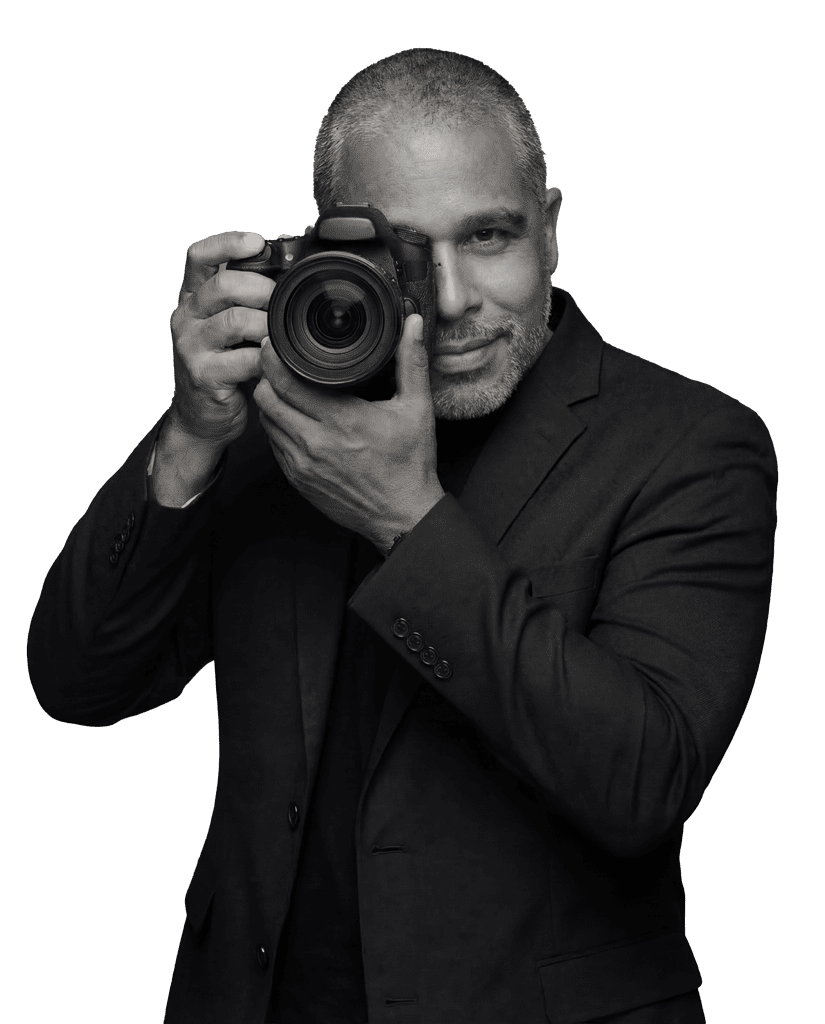

Your actor headshot is the first thing a casting director sees. Before they hear your voice or watch your reel, they look at your photo and decide if you fit the role. Getting professional actor headshots in Raleigh NC means more than booking a photographer and smiling at a camera. It means understanding exactly what casting directors expect and delivering that in a single frame.
The Raleigh film and theater market is growing. Productions film across North Carolina every year, and local casting calls are more frequent than ever. That growth means more competition, which means your headshot has to work harder. This guide breaks down what casting directors actually want, what photographers in Raleigh look for, and how to walk into your session ready to book work.
Ready to learn more? Explore our professional headshots photography services to see how we help actors put their best face forward.
What Casting Directors Look for in Acting Headshots
Casting directors are not looking for glamour shots. They are looking for a clear, honest representation of who you are and what type of character you can play. The goal of acting headshots in Raleigh is to make a casting director say, “I need to meet this person.”
Your headshot should show your personality, not hide it behind heavy makeup or dramatic lighting. Casting directors scan hundreds of photos quickly. A shot that feels authentic stands out far more than one that looks polished but generic.
The most important elements casting directors respond to include:
- Eye contact: Your eyes must connect with the lens. Flat or distracted eyes kill a headshot immediately.
- A clear face: No excessive shadows, filters, or retouching that changes how you look in person.
- Personality in the expression: A hint of who you are, not a forced smile or a blank stare.
- Appropriate framing: Theatrical headshots in NC are typically cropped from the chest or shoulders up, with the face centered and sharp.
The Difference Between Theatrical and Commercial Headshots

Not all headshots serve the same purpose. Theatrical headshots and commercial headshots are two distinct looks, and most working actors need both. Understanding the difference helps you plan your session more effectively.
Theatrical Headshots
Theatrical headshots are used for stage, film, and television auditions. They tend to have a more natural, serious, or complex expression. The goal is to show your emotional range and suggest the kinds of characters you can play. Lighting is usually softer and more dramatic to give the photo depth.
Commercial Headshots
Commercial headshots are used for advertising, brand work, and print campaigns. These photos call for a warmer, more approachable look. A natural smile, bright lighting, and an open expression are the standard. Casting directors booking commercial work want someone who feels relatable and likable on camera.
Booking a session that covers both looks in a single appointment is the most efficient approach. Talk to your photographer in advance about the roles you want to book so they can plan your wardrobe, lighting, and backgrounds accordingly.
How to Prepare for Your Actor Headshot Session in Raleigh

Preparation is the difference between a session that produces one usable shot and one that gives you five strong options. Most photographers work fast, so showing up ready makes a significant impact on your results.
1. Plan Your Wardrobe Around Your Type
Your “type” is the category of roles you naturally fit based on your look, age range, and energy. Clothes should match that type clearly. A lawyer type wears something structured. A free-spirited artist type wears something relaxed. Avoid logos, loud patterns, and trendy items that will date your photo quickly. Solid colors, especially blues, greens, and earth tones, photograph well and keep the focus on your face.
2. Keep Hair and Makeup Camera-Ready, Not Stage-Ready
Stage makeup is built for distance. Camera makeup is built for close-ups. If you wear makeup to your session, keep it natural and matte. Heavy contouring or bold color choices create inconsistencies between your headshot and how you look in person, which frustrates casting directors. Your goal is to look like the best version of yourself on a normal day.
3. Rest Well and Hydrate Before the Shoot
Dark circles, puffiness, and dull skin all show clearly in close-up photography. Drink water consistently in the two days leading up to your session. Get a full night of sleep the night before. These simple habits have a visible impact on how your skin and eyes look in photos.
4. Practice Expressions in the Mirror
This sounds simple, but many actors freeze in front of a still camera. Movement and reaction come naturally on set, but a headshot session is static. Spend time in front of a mirror practicing subtle shifts in expression, small smiles, slightly raised brows, relaxed versus engaged jaw. Knowing how your face moves helps you direct yourself during the shoot.
| Headshot Type | Best Used For | Expression Goal | Typical Look |
|---|---|---|---|
| Theatrical | Stage, film, TV auditions | Complex, layered, real | Neutral to serious, strong eye contact |
| Commercial | Ads, brand campaigns, print | Warm, open, approachable | Natural smile, bright lighting |
| Young Performer | Child and teen auditions | Genuine, playful, natural | Bright, clean, minimal styling |
Common Mistakes That Hurt Actor Headshots
Many actors invest in a session and still end up with headshots that do not get callbacks. Most of the time, the problem is one of a handful of recurring mistakes. Knowing them in advance saves you time and money.
- Over-retouching: Heavy skin smoothing removes the texture and life from your face. Casting directors want to see the real you. Light retouching to reduce blemishes is fine. Erasing wrinkles, freckles, or distinctive features is not.
- Busy backgrounds: A cluttered or colorful background pulls attention away from your face. Clean, simple backgrounds keep the focus where it belongs.
- Stiff body language: Your headshot captures your shoulders and upper body, not just your face. Tension in the neck and shoulders reads clearly in photos. Relax before each shot.
- Wrong crop or orientation: Most casting platforms and agents expect a vertical crop with your face in the upper third of the frame. Horizontal or square crops may not display correctly and look unprofessional.
- Outdated photos: Your headshot must look like you today. If you have changed your hair, weight, or overall appearance significantly, book a new session. Showing up to an audition looking different from your headshot damages your credibility with casting directors.
Choosing the Right Photographer for Acting Headshots in Raleigh NC
Not every portrait photographer is equipped to shoot actor headshots. Headshot photography for actors is a specific skill set that requires understanding industry standards, lighting techniques for close-up work, and how to direct people in a performance context.
When evaluating photographers in the Raleigh area, look for these qualities:
- A portfolio with actor-specific work: General portrait photographers may produce beautiful images that are wrong for casting submissions. Look for a portfolio that includes headshots shot in the industry standard framing and style.
- Experience directing subjects: A headshot photographer should coach your expression and energy, not just point and click. Ask how they guide clients during sessions.
- Clear turnaround and delivery process: Know how many final images you receive, what format they come in, and how long editing takes before you book.
- Knowledge of current industry standards: Industry standards change. A photographer who last updated their actor headshot work five years ago may not know what today’s casting platforms expect.
Ask to see recent work specifically from actor or performer clients. That sample tells you more than any marketing language on a website.
What to Expect on the Day of Your Headshot Session

Walking into your session knowing the format helps you stay calm and focused on performing. A typical actor headshot session in Raleigh runs between one and two hours depending on how many looks you are covering.
Your photographer will usually start with a warm-up look to help you get comfortable in front of the camera. Do not expect your first frames to be your best. Give yourself the first ten minutes to settle in. Most strong shots come in the second half of the session once you have found your rhythm.
Bring multiple wardrobe options even if you have already planned your looks. Lighting and backgrounds can change how clothes read on camera. Having backups gives you flexibility. Also bring water, touch-up items for your hair or makeup, and any accessories that fit your type.
After the session, your photographer will cull the images and send you a selection for review. You will choose your favorites for full editing. Typical turnaround for edited headshots ranges from a few days to a couple of weeks depending on the studio.
How Often Actors Should Update Their Headshots
Industry professionals generally recommend updating your headshots every one to two years, or sooner if your appearance changes significantly. A new haircut, notable weight change, or aging by more than a year or two can make your current headshot misleading to casting directors.
For newer actors in the Raleigh market, updating headshots more frequently makes sense as your type and skill set evolve. What you were going out for at the start of your career may shift as you build credits and refine your focus. Your headshot should reflect where you are today, not where you started.
Think of your headshot as a working tool, not a one-time investment. Refreshing it regularly keeps your submissions competitive and your presence current with casting directors in the region.
Final Thoughts on Actor Headshots in Raleigh NC
Actor headshots in Raleigh NC are your most important marketing asset as a performer. A strong headshot gets you in the room. A weak one keeps you out of it. The actors who book consistently invest in quality photography and update their look on a regular schedule.
Working with a photographer who understands the acting industry and the specific expectations of casting directors makes all the difference. Prepare well, communicate your type and goals clearly, and approach your session like a performance. Your next booking could start with a single great frame.
Frequently Asked Questions About Actor Headshots in Raleigh NC
How much do actor headshots in Raleigh NC typically cost?
Pricing varies by photographer and what is included in the session. Most professional headshot sessions in the Raleigh area fall within a range that covers the shoot itself plus a set number of edited final images. Always confirm what is included before you book, specifically the number of final retouched images and the file formats you will receive.
Should I hire a hair and makeup artist for my headshot session?
For most adult actors, having professional hair and makeup applied before a session produces noticeably better results on camera. A makeup artist experienced with photography can minimize shine, even skin tone, and add subtle definition that reads well under studio lighting. Some photographers offer this as an add-on service. Ask when you book.
Can I use a phone photo as a temporary acting headshot?
Phone photos are not appropriate for professional casting submissions. Casting directors notice the difference in image quality, framing, and lighting immediately. Even for early-career actors just starting out in North Carolina, a budget professional session is a better investment than submitting a phone photo. First impressions in this industry are lasting.
What background color is best for theatrical headshots in NC?
Neutral backgrounds, such as grey, off-white, or muted tones, are the most widely accepted for theatrical headshots in North Carolina and nationally. These backgrounds keep the focus on your face and work well across different casting platforms. Avoid pure white, which can blow out in digital submissions, and highly saturated colors that distract from your expression.
Do I need separate headshots for stage versus film and TV auditions?
Ideally, yes. Stage productions often prefer a slightly different look and crop compared to film and TV submissions. Many actors carry two distinct theatrical headshots to serve both markets. Talk to your agent, acting coach, or a local casting director about the specific expectations in the Raleigh and broader North Carolina market before your session.